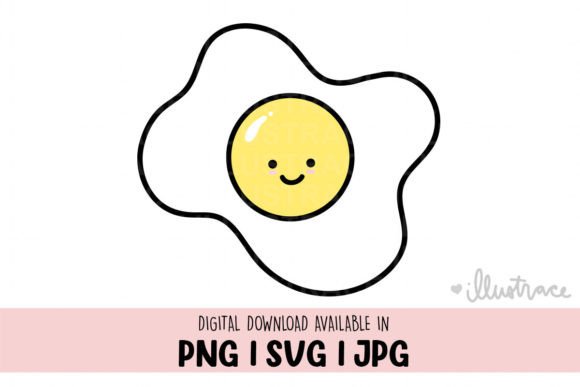
Egg Svg Review: A Designer’s Take on Versatile Craft Files
As a designer who spends half my life digitizing patterns and the other half testing them on actual fabric, I have learned to look past the glossy preview images. We all know that what looks crisp on a screen does not always translate cleanly to thread. When I first pulled up the Egg Svg file, my initial reaction was one of cautious optimism. It is listed under Crafts and Graphics, which suggests versatility, but for an embroidery professional, the real question is always about stitchability and end-use application.
This is not just a digital asset; it is a potential cornerstone for a spring collection. I evaluated this design with the mindset of a small business owner preparing for the Easter rush, looking for something that could work across multiple product lines without requiring excessive tweaking. Here is my practical breakdown of how this design performs in the real world.
First Impressions and Visual Personality
The immediate appeal of the Egg Svg lies in its simplicity. In the world of machine embroidery design, simple is often synonymous with reliable. The shape is clean, avoiding the jagged edges or overly complex curves that can cause thread breaks or bird nests on lower-end machines. The mood it creates is playful yet polished, fitting seamlessly into both modern minimalist aesthetics and traditional holiday themes.
From a layout perspective, the design feels balanced. It does not scream for attention with unnecessary clutter, which makes it an excellent candidate for custom apparel where the fabric texture plays a significant role. Whether you are working with a soft jersey knit for a baby onesie or a sturdy canvas for a tote, the visual weight of this graphic holds its own without overpowering the material.
Real-World Application: The Tote Bag Test
To truly understand the value of any embroidery file, you must imagine it on a finished product. I visualized this design on a natural cotton tote bag, a staple item for many Etsy sellers and boutique owners. Using a standard hoop size, the egg shape provides a perfect central focal point. Because the design is described as high quality and made to customize, I imagined adding a monogram inside the egg or pairing it with a simple floral element.
In this scenario, the Egg Svg shines as a versatile base. For a handmade product intended for daily use, durability is key. The open nature of the vector-style graphic allows for flexible stitch types. You could opt for a dense fill stitch for a bold, solid look, or use a satin stitch border with a lighter interior to keep the fabric flexible. This adaptability is crucial for items like tote bag design projects, where stiffness can detract from the user experience.
Performance on Apparel and Textiles
Moving beyond accessories, I considered how this design would perform on sweatshirt embroidery and baby embroidery projects. Sweatshirts present a challenge due to the pile of the fabric and the stretch of the knit. A design with too much detail can get lost or cause puckering. However, the clean lines of the Egg Svg suggest it would handle well on fleece or French terry, provided the correct stabilizer is used. A cut-away stabilizer would be my recommendation here to support the stitches over time.
For baby items, such as bibs or burp cloths, the design’s simplicity is a major asset. Parents often prefer softer, less dense embroidery against sensitive skin. By adjusting the stitch density and perhaps using a running stitch outline rather than a heavy fill, this graphic becomes gentle and appropriate for infant wear. It transforms from a bold statement piece into a subtle, charming accent.
Considerations for Challenging Surfaces
While the design is robust, there are areas where caution is necessary. If you are planning to use this on curved surfaces like caps or hats, you must consider the distortion that occurs during hooping. The symmetrical nature of the egg helps, but you should always test on scrap fabric first. Additionally, if you are working with dark fabric, ensure your thread colors provide sufficient contrast. A pastel thread on navy blue might look muddy from a distance, whereas a bright white or vibrant yellow would pop effectively.
Another critical factor is the scale. If you shrink the Egg Svg too small for a tiny hoop, fine details may merge. Always check the minimum viable size for your specific machine’s needle and thread combination. For embroidered patch creation, however, this design is ideal. Patches often require bold, clear shapes that read well from a distance, and this graphic delivers that clarity without needing excessive underlay complexity.
Commercial Value and Brand Consistency
For craft business owners, consistency is brand currency. Using a cohesive set of graphics across your small shop product line builds trust. The Egg Svg fits well into a broader seasonal collection. It can be paired with other spring motifs to create a unified look for holiday embroidery promotions. When customers see a well-executed, clean design, it signals professionalism. It suggests that the maker cares about the quality of the finished product, not just the speed of production.
Moreover, because this is an INSTANT DIGITAL DOWNLOAD FILE compatible with platforms like Glowforge and Cricut Design Space, it offers cross-platform utility. While our focus here is embroidery, the ability to use the same asset for vinyl stickers or card stock signs allows for bundled product offerings. Imagine selling a matching embroidered apron and a vinyl-decorated kitchen towel. This versatility increases the perceived value of the design assets you purchase.
Practical Designer Notes for Best Results
Before you commit to stitching this on customer orders, follow these practical steps to ensure success:
- Test on Scrap Fabric: Always run a test stitch-out on the same type of fabric you intend to use for the final product. This reveals any tension issues or registration errors.
- Check Thread Contrast: View your design in black and white mockups to ensure the shape remains distinct regardless of color choice.
- Review Stitch Density: If the file allows for editing, adjust the density based on the fabric weight. Lighter fabrics need less density to prevent puckering.
- Confirm Hoop Size: Ensure the design fits comfortably within your hoop, leaving enough margin for stable hooping.
- Inspect Small Details: Zoom in to check for any tiny anchor points or jumps that might need trimming or manual adjustment.
- Verify Licensing: Since this is a digital product, confirm the license terms for commercial embroidery use before selling finished items.
In conclusion, the Egg Svg is a solid addition to any designer’s library. It balances aesthetic appeal with technical practicality, making it suitable for a wide range of applications from personalized gifts to boutique merchandise. By understanding its strengths and respecting its limitations, you can leverage this graphic to create high-quality, profitable embroidery projects that resonate with customers.