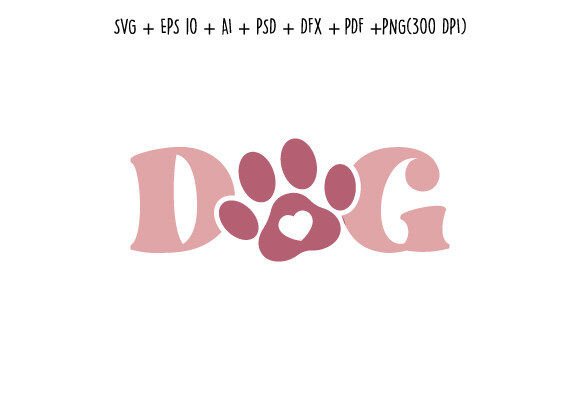
Reviewing the Dog SVG Design for T Shirt
As a designer who spends more time staring at stitch simulations than I do sleeping, I have learned that not every cute graphic translates well to thread. We have all been there: you find an adorable vector, load it into your software, and watch in horror as the software tries to turn a complex illustration into a tangled mess of satin stitches. That is why I approach new assets with a critical eye. Recently, I spent some time evaluating the Dog SVG Design for T Shirt to see if it holds up under the needle. This is not just about whether it looks good on a screen; it is about how it performs as a tangible machine embroidery design in real-world applications.
First Impressions and Visual Personality
The first thing that strikes you about this asset is its versatility. While marketed primarily for apparel, the clean lines and balanced composition suggest it belongs in the broader world of Crafts and Graphics. The mood is playful yet polished, avoiding the overly cartoonish extremes that can sometimes cheapen a handmade product. For an embroidery project, this balance is crucial. You want something that reads clearly from a distance but still offers enough detail to reward closer inspection.
The layout appears thoughtful. In embroidery, negative space is just as important as the stitched areas. If a design is too dense, the fabric puckers; if it is too sparse, it lacks impact. This dog design seems to hit a sweet spot, making it a strong candidate for various embroidery file conversions. Whether you are aiming for a modern minimalist look or a textured, filled-in style, the base structure supports both approaches without requiring excessive manual editing.
Real-World Application: The Custom Tote Test
To truly test a design, you have to imagine it on a product. I visualized this design on a heavy canvas tote bag, a staple for any Etsy seller or craft fair vendor. Canvas has a distinct weave, and lighter designs can get lost in the texture. However, because this Dog SVG Design for T Shirt features bold outlines and clear shapes, it stands up well against textured fabrics. I pictured using a contrasting thread colors palette—perhaps a deep navy on natural cotton—to make the dog pop. The result would be a chic, durable handmade product that appeals to dog lovers who appreciate subtle branding over loud graphics.
Beyond totes, I considered its use in custom apparel. Imagine this stitched onto the left chest of a high-quality sweatshirt. This is a popular trend in boutique clothing right now. The design’s scale seems appropriate for a pocket-sized placement, offering a professional finish that elevates a basic garment into a personalized gift. It does not overwhelm the wearer, which is key for adult apparel. For baby embroidery, such as on a onesie or burp cloth, the softness of the lines would work well, provided you adjust the stitch density to keep the fabric comfortable against sensitive skin.
Navigating Technical Challenges
No design is perfect for every scenario, and honest review requires acknowledging limitations. When working with curved surfaces like caps or hats, you must be cautious. The included files, such as the SVG file and PNG Transparent 300dpi file, are excellent starting points, but they are not pre-digitized embroidery files. If you are converting this yourself, pay close attention to the ears and tail. These protruding elements can cause registration issues if the stabilizer is not robust. I recommend using a cut-away stabilizer for stretchy fabrics and a tear-away for stable woven materials to prevent distortion.
Another consideration is stitch density. If you choose to fill the entire shape with a fill stitch, ensure you are not creating a cardboard-like stiffness, especially on thinner fabrics like t-shirts. A mix of satin stitch borders and strategic running stitch details might offer a more flexible, breathable finish. For dark fabrics, remember that your underlying layers matter. If the design has open spaces, the fabric color will show through. This can be a design feature or a flaw, depending on your intent. Always test on scrap fabric first to check how the fabric texture interacts with your chosen threads.
Commercial Viability and Brand Consistency
For small shop product creators, consistency is king. This design fits seamlessly into a broader brand aesthetic that values cleanliness and charm. It works well for holiday embroidery projects, such as adding a festive bandana to the dog or pairing it with seasonal text. Because the file package includes vector formats like AI file, EPS file, and PDF file, you have the flexibility to resize without losing quality. This is invaluable when creating printable mockup assets for your online store. You can easily place the design on various products in Photoshop or Canva to create compelling listings before you even stitch a single thread.
However, commercial use requires diligence. While the product description mentions it is suitable for various items like tumblers, mugs, and stickers, you must confirm the licensing terms. Are you allowed to sell the digital file itself, or only the finished physical items? Most designers allow the sale of finished goods but restrict the redistribution of the digital embroidery file. Always read the license agreement included with your purchase to protect your craft business from legal issues. Using the JPEG fi or SVG file for sublimation or vinyl cutting is a great way to expand your product line beyond embroidery, but ensure your usage rights cover these methods.
Practical Designer Notes for Best Results
Before you commit to a large batch of embroidered patch production or a full run of sweatshirt embroidery, take these practical steps:
- Test on Scrap Fabric: Never skip this step. Check for puckering, thread breaks, and color accuracy.
- Check Contrast: View your design in black and white. If the details disappear, you may need to simplify the stitch pattern or choose higher-contrast threads.
- Hoop Size Matters: Ensure the design fits comfortably within your hoop with adequate margin for stabilization. Crowding the edges leads to misalignment.
- Inspect Small Details: Tiny elements can get lost in stitching. Consider removing or enlarging them if they are smaller than 3mm.
- Stabilizer Selection: Match your stabilizer to your fabric. Knits need cut-away; wovens can often use tear-away.
In conclusion, the Dog SVG Design for T Shirt is a robust asset for the modern maker. It bridges the gap between digital convenience and tactile craftsmanship. Whether you are creating a finished product for a client or stocking your Etsy seller shop with unique items, this design offers the clarity and charm needed to engage buyers. By respecting the technical requirements of embroidery and leveraging the versatility of the included file formats, you can transform this simple graphic into a high-value item that stands out in the crowded marketplace of Crafts and Graphics.