Reviewing the "I'm Just Here for the Tan" SVG Design
As a designer who spends half my life digitizing patterns and the other half stitching them out, I have learned that not every graphic translates well to thread. We often see trendy phrases in the Crafts and Graphics marketplaces that look fantastic on a screen but turn into a tangled mess under the needle. That is why I took a close, practical look at the I m Just Here for the Tan Svg Design. This isn’t just about whether the file opens correctly; it is about whether it holds up when you are trying to run a efficient craft business or create a high-quality personalized gift.
First Impressions: Mood and Visual Personality
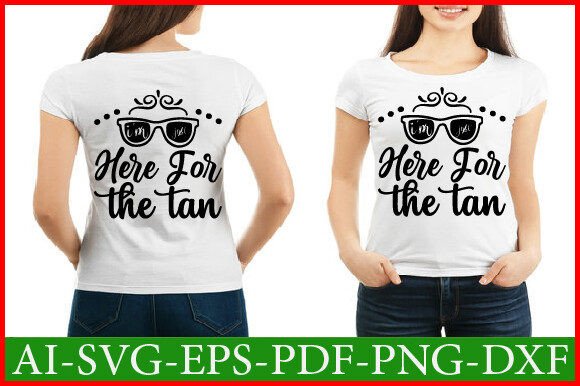
The first thing that strikes me about this design is its attitude. It is playful, slightly sarcastic, and undeniably seasonal. The phrase "I'm just here for the tan" evokes immediate associations with summer vacations, beach days, and poolside lounging. From a layout perspective, the typography appears balanced, suggesting a casual, hand-lettered vibe rather than rigid, corporate fonts. This is crucial for embroidery because stiff lettering can feel cold on soft fabrics like cotton towels or jersey knits.
For an embroidery project, the visual personality of the design dictates where it belongs. This specific aesthetic fits naturally into the realm of casual custom apparel. It is not a formal monogram for a wedding guest towel; it is a fun statement piece for a tote bag design or a summer sweatshirt. The simplicity of the message means it relies heavily on font choice and spacing. If the original SVG maintains clean curves and consistent stroke widths, it has the potential to stitch out beautifully without excessive jump stitches or thread breaks.
Real-World Application: The Tote Bag Test
To evaluate this properly, I imagined a real-life scenario: preparing a batch of canvas tote bags for a local boutique’s summer collection. Canvas is a sturdy fabric, but it has a distinct texture. When I visualize the I m Just Here for the Tan Svg Design on a natural-colored canvas bag, I am looking for contrast. A dark thread color, such as navy or chocolate brown, would pop against the light fabric, making the text readable from a distance.
In this context, the design serves as a strong selling point for an Etsy seller. Summer accessories are competitive, and a witty phrase can be the deciding factor for a buyer. However, the execution matters. If the design is too small, the letters might merge together due to the fabric’s weave. If it is too large, it might distort the bag’s structure. I would recommend testing this as a medium-sized chest print or a centered panel design. For a handmade product, the perceived value increases when the stitching looks crisp and intentional, not cramped.
Performance on Different Fabrics and Hoops
One of the challenges with text-based machine embroidery designs is versatility. Let’s consider how this file performs across different substrates. On a t-shirt or lightweight jersey, stability is key. Without proper stabilizer, the fabric will pucker around the letters, ruining the clean look of the phrase. I would advise using a cut-away stabilizer for garments that will be washed frequently, ensuring the design remains flat and professional.
For a sweatshirt embroidery project, the thicker fabric offers more forgiveness. The loft of the fleece can hide minor imperfections in stitch density, but it also means you need to ensure the design isn’t too dense. Heavy fill stitches on thick fabric can create a stiff, uncomfortable patch. If this SVG is intended for conversion into an embroidery file, checking the stitch density is vital. A combination of satin stitch for smaller elements and running stitch for outlines might offer a lighter, more flexible finish.
What about curved surfaces, like caps? Embroidering on a cap requires careful hoop placement. The phrase is relatively short, which is an advantage here. It could fit nicely on the front panel of a dad hat or a baseball cap. However, you must account for the curvature. Text that looks straight on a flat screen can appear warped on a curved brim. I always recommend creating a printable mockup and taping it to a cap before digitizing or stitching to check the visual flow.
Technical Considerations for Digitizing
Since the product description notes that these files are compressed in one ZIP file and labeled as SVGs, it is important to clarify the workflow. An SVG is a vector graphic, not a native machine embroidery file like PES or DST. This means you, or your digitizer, will need to convert the SVG into an embroidery file. This step is where the magic—and the potential problems—happen.
When converting this specific design, pay attention to the corners of the letters. Sharp angles in an SVG can cause thread bunching if not properly under-stitched. You may need to adjust the pull compensation to prevent the fabric from pulling the letters out of shape. Additionally, check the spacing between words. In embroidery, negative space is as important as the thread itself. If the words are too close, the connecting ties or jump stitches might become visible and messy.
Thread colors play a huge role in the final impact. While the phrase suggests warmth and sun, do not feel limited to orange or yellow threads. A classic white-on-navy or black-on-white approach can make the design feel more timeless and less kitschy. Test the design in black and white mockups first. If it loses readability without color, the contrast or font weight may need adjustment before you commit to stitching.
Commercial Viability and Brand Consistency
For small shop owners and creative entrepreneurs, consistency is brand currency. Does the I m Just Here for the Tan Svg Design fit your existing line? If you specialize in minimalist, high-end baby embroidery, this playful, sarcastic tone might clash. However, if your brand focuses on fun, lifestyle-oriented goods like aprons, kitchen towels, or beachwear, it is a perfect fit. It adds personality to your inventory without requiring complex, time-consuming stitching.
From a commercial embroidery standpoint, speed is money. A design that stitches quickly and cleanly allows for higher turnover. If this design converts well into a low-density embroidery file, it becomes a profitable asset for holiday embroidery rushes or last-minute personalized gift orders. Always confirm licensing terms before selling finished items. While many SVGs come with commercial use rights, verifying this ensures you protect your business from legal issues down the line.
Practical Designer Notes for Best Results
Before you load this design into your machine for a client order, follow these practical steps to ensure quality:
- Test on scrap fabric: Never stitch a new design directly on your final product. Use the same type of fabric and stabilizer you plan to use for the job.
- Check thread contrast: Ensure the thread color stands out against the fabric texture. Low contrast can make the text hard to read, diminishing the impact of the joke.
- Review stitch density: If you are digitizing the SVG yourself, avoid overly dense fill stitches. Lighter stitching feels softer and looks more professional on apparel.
- Confirm hoop size: Make sure the design fits comfortably within your hoop with enough margin for clamping, especially if you are working with smaller hoops for patches or pockets.
- Inspect small details: Zoom in on the vector file. Are there any stray nodes or overlapping paths? Clean up the SVG before digitizing to prevent unnecessary stitch commands.
- Use proper stabilizer: Match the stabilizer to the fabric. Woven fabrics may need tear-away, while knits require cut-away support to prevent distortion.
In conclusion, the I m Just Here for the Tan Svg Design offers a charming, seasonal element for your design assets. Its success depends entirely on thoughtful execution. By respecting the limitations of the fabric, choosing the right stabilizer, and ensuring a clean digitization process, you can transform a simple graphic into a standout embroidered patch or apparel feature. Whether for a personal project or a small business product, this design has the potential to bring a smile to your customers’ faces—if stitched with care.