First Time Hunter SVG Cut File Review
As a designer who spends more time squinting at stitch maps than I care to admit, I approach every new digital asset with a healthy dose of skepticism. We have all been there: you download a trendy graphic, eager to turn it into a best-selling handmade product, only to realize the lines are too close together for clean stitching or the curves are jagged enough to cause thread breaks. That is why I took a close, practical look at the First Time Hunter SVG Cut File. This is not just about whether the image looks cute on a screen; it is about how it translates from a digital embroidery file into a tangible, high-quality finished piece.
First Impressions and Visual Personality
When I first unzipped the package, I was looking for clarity. The folder contained the standard suite of files: an SVG for Cricut users, a DXF for Silhouette, an EPS vector file, and a 300 DPI PNG with a transparent background. For those of us working primarily in embroidery software, the SVG and EPS files are the critical components. They allow us to trace and convert shapes into satin stitches, fill stitches, or running stitches with precision.
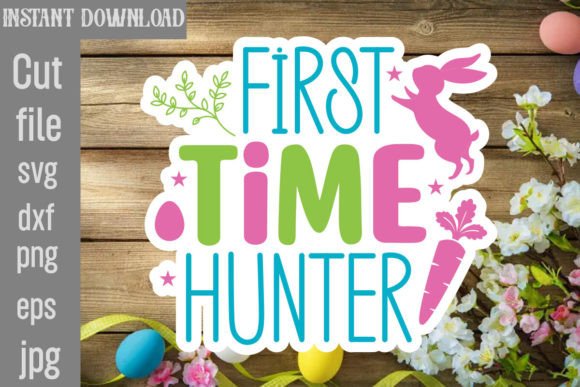
The design itself carries a playful, nostalgic mood. It captures that specific excitement of a child’s first outdoor adventure. Visually, the layout is balanced, avoiding the clutter that often plagues themed graphics. For a crafter, this simplicity is a blessing. Complex, overly detailed illustrations often fail when scaled down for small hoops or when stitched onto textured fabrics. The First Time Hunter SVG Cut File maintains strong, recognizable silhouettes that read well even from a distance. This makes it an excellent candidate for items where immediate visual impact matters, such as a tote bag or a statement sweatshirt.
Real-World Application: The Custom Sweatshirt Test
To truly evaluate this asset, I imagined a real-life scenario: a customer ordering a custom gift for a toddler’s first hunting season with their grandfather. This is a common request in my shop, especially during autumn. I needed a design that felt personal but professional. Using the First Time Hunter SVG Cut File, I traced the vector paths into my embroidery software to create a machine embroidery design.
The result was promising. Because the original graphic is clean, the conversion process required minimal manual node editing. I applied a satin stitch to the border elements to give them a raised, premium feel, while using a light fill stitch for any larger internal areas to keep the stitch count manageable. On a medium-weight cotton blend sweatshirt, the design sat flat without puckering. This is crucial for custom apparel. If the design were too dense, the fabric would gather, ruining the drape of the garment. Here, the openness of the design allowed the fabric to breathe.
For an Etsy seller or small shop owner, this versatility is key. You are not limited to one type of product. This same design could easily be adapted for an embroidered patch, where higher density is acceptable, or scaled up for a pillow cover. The transparency of the PNG file also allows for quick creation of printable mockups, helping you visualize the design on dark versus light backgrounds before you ever thread your needle.
Navigating Fabric and Hoop Constraints
While the design is robust, it is not immune to the physical limitations of embroidery. I must advise caution when working with stretchy fabrics or very thin materials. If you plan to use this on a baby onesie or a lightweight tee, proper stabilization is non-negotiable. A cut-away stabilizer is usually my go-to for garments that will be washed frequently, ensuring the stitch density does not distort the fabric over time.
Additionally, consider your hoop size. While the vector nature of the EPS and SVG files means you can scale the image infinitely, embroidery machines have fixed hoop limits. If you are working with a 4x4 inch hoop, you may need to simplify the design or split it if you add personalized text. Speaking of text, if you combine this graphic with names or dates, ensure the lettering is large enough. Tiny lettering often gets lost in the texture of the thread, especially on towels or blankets where the loop pile can obscure fine details.
Dark fabrics present another challenge. If you are stitching this on a navy or black hoodie, you will need high-contrast thread colors to make the design pop. I recommend testing your thread palette on scrap fabric first. What looks vibrant on your monitor might appear muddy on dark cotton. Use the PNG file to create a quick digital proof, overlaying your chosen thread colors on a photo of the actual garment to check for visibility.
Commercial Value and Brand Consistency
For those running a craft business, the professionalism of your design assets directly impacts customer trust. A sloppy, pixelated, or poorly stitched design signals amateur work. The First Time Hunter SVG Cut File, when properly digitized and stitched, conveys quality. It fits seamlessly into a boutique branding strategy that values rustic, outdoorsy, or family-oriented themes.
This design is particularly effective for holiday gifts and seasonal merchandise. Think beyond the standard t-shirt. Consider applying it to canvas tote bags for market trips, aprons for outdoor cooking, or even kitchen towels for a cabin-themed home. These items have higher perceived value than simple decals, allowing you to charge a premium for your labor and expertise. As a commercial embroidery asset, it holds up well because it is distinct without being overly niche. It appeals to a broad audience of parents, grandparents, and outdoor enthusiasts.
Practical Designer Notes for Best Results
Before you list this as a new product in your shop, take a moment to run through this checklist. It saves time and reduces waste:
- Test on Scrap: Always stitch a sample on the exact fabric type you intend to sell. Thread tension behaves differently on fleece versus cotton.
- Check Licensing: Since this is a digital download, confirm the license terms. Most creators allow you to sell finished physical items, but reselling the digital file itself is typically prohibited. Ensure you are compliant before listing on Etsy or other platforms.
- Digitize with Care: If you are converting the SVG yourself, pay attention to underlay stitches. Good underlay prevents shifting and ensures the top stitches lay smoothly.
- Contrast is King: Use the 300 DPI PNG to test color combinations. High contrast ensures readability, which is essential for customer satisfaction.
- Consider the End User: If this is for a baby item, ensure all threads are secure and trim any loose ends meticulously. Safety and durability are part of the product value.
In conclusion, the First Time Hunter SVG Cut File is a solid addition to any designer’s library of design assets. It offers the flexibility needed for various projects, from sweatshirt embroidery to decorative patches. By respecting the technical requirements of your machine and fabric, you can transform this simple graphic into a high-value, cherished keepsake. It is a reminder that in our industry, the best designs are those that balance aesthetic appeal with practical stitchability.