Let’s Get Wicked: A Designer’s Review of the SVG
As a designer who spends more time staring at stitch simulations than I care to admit, I have learned that not all graphics translate well to thread. There is a distinct difference between a clean vector on a screen and a machine embroidery design that holds up under the needle. When I first pulled up Let s Get Wicke Svg Design, my initial reaction was cautious curiosity. The title suggests a playful, perhaps Halloween-adjacent or edgy aesthetic, but the real test is always in the execution. Does it work for a high-end boutique sweatshirt, or is it better suited for a quick craft fair tote? Let’s break down how this asset performs in real-world scenarios.
First Impressions: Mood and Visual Personality
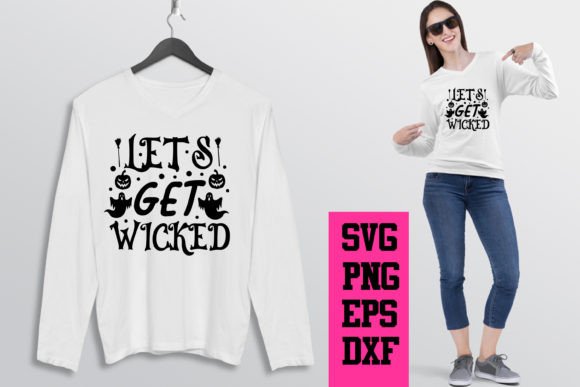
The immediate vibe of Let s Get Wicke Svg Design is bold and thematic. It carries a mood that is perfect for seasonal projects, particularly around autumn and Halloween, but its versatility allows it to stretch into year-round "spooky cute" trends that are currently dominating social media. The layout appears balanced, which is crucial for embroidery. If the elements are too scattered, you risk excessive jumping between stitch points, which can lead to thread nests on the back of your finished product.
From a Crafts perspective, this design fits squarely into the category of statement pieces. It is not a subtle background element; it demands attention. This makes it ideal for central placements on apparel or large-format home decor. The visual personality is fun yet sharp, appealing to customers who want their handmade product to stand out without looking amateurish.
Real-World Application: The Sweatshirt Test
To truly evaluate an embroidery file, I mentally place it on various substrates. My primary test case for this design was a heavyweight, black cotton blend sweatshirt. This is a staple item for any Etsy seller or small shop product line. The contrast potential here is high. Since the file includes a transparent PNG and vector formats like AI and EPS, I could easily mock up different thread colors before committing to hoop time.
I envisioned using a bright orange or neon green for the main text to pop against the dark fabric. The design’s structure seems robust enough to handle the texture of fleece without getting lost. For a custom apparel order, this kind of clarity is non-negotiable. Customers paying for personalized items expect crisp lines, not muddy clusters of thread. The fact that the design is described as having 300 dpi quality in its raster components suggests that if you are using the PNG for printing or reference, the edges will remain sharp, aiding in precise placement.
Navigating Fabric and Hoop Constraints
While the design is versatile, it requires careful handling depending on your hoop size and fabric choice. If you are planning to use this on a cap, you must consider the curved surface. Caps are unforgiving. Detailed corners or intricate swirls can pucker if the stitch density is too high for the stiff buckram material. I would recommend testing this on a scrap piece of twill first. If the design feels too dense, you might need to adjust your stabilizer strategy, opting for a cut-away stabilizer to provide long-term support.
For lighter fabrics, such as a baby onesie or a thin cotton tee, caution is key. A heavy fill stitch area can cause lightweight fabric to gather and distort. If you are creating baby embroidery items, ensure that the back of the stitching is covered with a soft backing to prevent irritation against sensitive skin. The design’s adaptability is a strength, but it is not a "one-size-fits-all" solution. You must respect the limitations of your material.
Color Customization and File Utility
One of the strongest features highlighted in the description is the ability to change colors easily. With 100 color-changeable options mentioned, this digital embroidery file offers significant flexibility for craft business owners. You are not locked into a single palette. This is vital for branding. If you are selling to a client who wants a pastel goth aesthetic rather than traditional Halloween orange and black, you can adapt the design assets to fit their vision.
The inclusion of AI, EPS, and PDF files means you are not just buying a static image. You are buying a scalable vector graphic that can be resized without losing quality. This is essential for creating printable mockup materials for your online store. You can scale the design up for a large tote bag design or down for a small embroidered patch, ensuring the proportions remain consistent. However, always remember that scaling an embroidery design too small can merge fine details, so check the minimum recommended size before shrinking it for petite items.
Commercial Viability and Brand Consistency
For commercial embroidery projects, consistency is king. When I review a design for client work, I look for reliability. Does it stitch out the same way every time? While I cannot guarantee machine-specific performance without running it myself, the professional presentation of the file formats suggests a level of care that usually correlates with good stitch-out results. Using Let s Get Wicke Svg Design in your lineup can enhance brand recognition if you establish a signature colorway for it.
Think about your holiday embroidery collection. This design could be the anchor piece for an October release. Pair it with complementary motifs to create a cohesive bundle. Bundles increase average order value and encourage customers to buy multiple items. Whether it is a personalized gift for a friend or inventory for your small shop product range, the design’s thematic strength helps drive sales during peak seasonal periods.
Practical Designer Notes for Best Results
Before you load this into your machine, take a few practical steps to ensure success. First, always run a test stitch on scrap fabric similar to your final project. Check the tension and look for any loose threads or puckering. Second, verify the license terms. While the file is ready for print and easy to modify, confirm whether the license allows for unlimited commercial sales of finished physical goods. Most designers allow this, but it is always best to be certain.
Third, consider your stabilizer choice. For knit fabrics like sweatshirts, a cut-away stabilizer is generally safer than tear-away, as it prevents the design from distorting after washing. For woven fabrics like aprons or pillow covers, a tear-away might suffice, but test it first. Finally, inspect the small details. If there are tiny letters or intricate lines, ensure your needle size is appropriate. A smaller needle, like a 75/11, can help penetrate tight areas without causing excessive holes in the fabric.
Final Verdict
Let s Get Wicke Svg Design is a solid addition to any designer’s library, particularly for those focusing on seasonal or edgy aesthetics. It bridges the gap between digital Graphics and tangible Crafts effectively. By respecting fabric limitations and leveraging the customizable color options, you can create high-value items that resonate with customers. Whether you are decorating a kitchen towel, a cap, or a premium hoodie, this design offers the visual impact needed to make your work memorable. Just remember: preparation is half the battle. Test, adjust, and stitch with confidence.