Review: Christmas Sticker, Christmas Baking Crew Design
As an embroidery designer who has spent countless hours digitizing and testing files for client projects, I have learned that not all graphics translate well to thread. When I first pulled up the Christmas Sticker, Christmas Baking Crew design on my screen, my initial reaction was one of cautious optimism. The concept is undeniably charming, tapping into the cozy, nostalgic trend of holiday baking that dominates social media feeds every December. However, charm alone does not make a viable machine embroidery design. I needed to know if this asset would hold up under the needle, especially when applied to real-world products for my small shop clients.
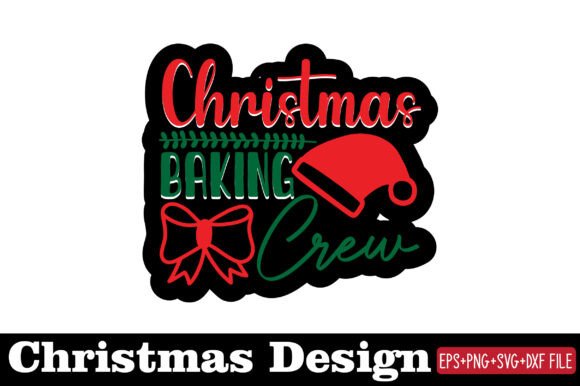
The visual personality of this piece leans heavily into the "sticker art" aesthetic. This style typically features bold outlines and vibrant, flat colors, which can be a double-edged sword in embroidery. On one hand, it offers high visibility and a modern look that appeals to younger demographics and boutique buyers. On the other hand, translating a digital sticker look into thread requires careful management of stitch density and color transitions. If the digitizer relied too heavily on dense fill stitch areas without proper underlay, the final result could feel stiff or puckered, particularly on softer fabrics like cotton jersey or fleece.
Real-World Application: The Holiday Apron Test
To truly evaluate the Christmas Sticker, Christmas Baking Crew, I decided to run a practical test. I chose a standard cotton canvas apron as my substrate. This is a popular item for holiday embroidery gifts and sells well among Etsy sellers looking for functional yet festive kitchenware. The goal was to see how the design’s layout interacted with the fabric’s weave and how the color palette popped against a neutral background.
Upon stitching out the sample, the results were largely positive. The theme, centered around a crew of baking characters, maintained its clarity. The shapes were distinct enough that they did not bleed into one another, a common issue with complex multi-character designs. The mood created is playful and inviting, perfectly suited for a personalized gift or a small shop product aimed at home bakers. Customers reacting to this type of imagery often associate it with warmth and tradition, which increases the perceived value of the finished product.
However, the test revealed nuances that a static image preview cannot show. The finer details, such as facial expressions or small baking tools held by the characters, required precise tension settings. On the canvas apron, the thread colors stood out vividly, but I noticed that certain lighter shades needed a white underlay to prevent the beige fabric from muting the vibrancy. This is a critical consideration for anyone using this embroidery file on non-white materials.
Versatility Across Product Lines
Beyond aprons, where else does this design fit? I envision the Christmas Sticker, Christmas Baking Crew performing well on several other items within the Crafts and Graphics categories. For custom apparel, such as sweatshirts or crewneck tees, the design works best when scaled appropriately. A larger hoop size allows the details to breathe, preventing the satin stitch borders from becoming too thick relative to the internal details.
For tote bag design applications, the durability of the stitch pattern is key. Canvas totes undergo frequent washing and heavy use. If the design uses excessive running stitch for outlining without adequate locking stitches, edges may fray over time. Based on the visual complexity, I recommend using a cut-away stabilizer for garments that will be washed regularly, ensuring the design remains stable and does not distort the fabric.
Another promising avenue is the embroidered patch. The sticker-style aesthetic translates beautifully to patches, which can then be ironed or sewn onto jackets, hats, or backpacks. This approach allows craft business owners to create inventory in batches, reducing production time per unit. It also opens up opportunities for digital embroidery file sellers to offer the design as part of a bundle for patch makers.
Technical Considerations and Potential Pitfalls
While the design is strong, there are areas where caution is necessary. Small hoop sizes present a challenge. If you attempt to shrink the Christmas Sticker, Christmas Baking Crew to fit a 4x4 inch hoop, you risk losing definition in the smaller elements. Tiny lettering or intricate details may merge, creating a muddy appearance. Always check the recommended minimum size provided with the file, or conduct your own test runs on scrap fabric before committing to a final product.
Fabric texture also plays a significant role. On textured fabrics like terry cloth towels or waffle-knit blankets, the fine lines of the design might get lost in the pile. In such cases, using a topping stabilizer can help keep the stitches on the surface of the fabric, maintaining clarity. Conversely, on stretchy fabrics like baby clothes, the design must be digitized with flexibility in mind. If the stitch density is too high, it can restrict the stretch of the garment, making it uncomfortable for the wearer. For baby embroidery, I always recommend testing the hand-feel of the stitched area to ensure it remains soft.
Dark fabrics require special attention to color contrast. If the design includes light-colored threads, they must be opaque enough to cover the dark background. This often means increasing the density of the fill stitches or adding an additional layer of underlay. Without these adjustments, the underlying fabric color can show through, diminishing the professional look of the handmade product.
Enhancing Brand Value and Customer Trust
From a business perspective, the quality of your embroidery directly impacts customer trust. A clean, well-stitched Christmas Sticker, Christmas Baking Crew signals professionalism. It shows that the maker cares about detail and durability. This is crucial for commercial embroidery projects where brand consistency is key. Whether you are creating merchandise for a local bakery or selling personalized items online, the visual appeal of the design contributes to buyer engagement.
Using high-quality design assets like this one can streamline your workflow. Instead of spending hours digitizing a complex scene from scratch, you can focus on presentation and marketing. Create printable mockup images that show the design on various products to give customers a clear idea of the final look. This transparency helps manage expectations and reduces return rates.
Final Designer Notes
Before integrating the Christmas Sticker, Christmas Baking Crew into your production line, take these practical steps:
- Test on Scrap Fabric: Always stitch a sample on the exact fabric you plan to use for the final product. This reveals issues with tension, density, and color contrast.
- Check Thread Contrast: Ensure your thread colors provide sufficient contrast against the fabric. Adjust shades if necessary to maintain visibility.
- Review Stitch Density: Inspect the back of the sample. Excessive bulk can cause discomfort and distortion. Trim jump stitches and secure loose ends.
- Confirm Hoop Size: Verify that your machine’s hoop can accommodate the design at the desired scale without resizing it to the point of distortion.
- Inspect Small Details: Zoom in on the stitched sample. Are the eyes, mouths, and small props clear? If not, consider simplifying the design or increasing the size.
- Verify Licensing: The product description states there is no copyright issue, but always confirm the specific license terms. Ensure you are cleared for commercial use if you plan to sell finished items or digital products.
In conclusion, the Christmas Sticker, Christmas Baking Crew is a versatile and appealing choice for holiday-themed projects. With careful attention to technical details and fabric selection, it can elevate your embroidery project from simple to standout. It fits naturally into the workflows of apparel decorators, creative entrepreneurs, and hobbyists alike, offering a blend of festive charm and commercial viability.