Reviewing Christmas Sticker, Gingle Bells for Embroidery
As a designer who spends more time staring at digitized paths than I do sleeping, I have learned that not every graphic translates well to thread. We see thousands of design assets flood the market every holiday season, but few survive the transition from screen to fabric with their integrity intact. Recently, I pulled up Christmas Sticker, Gingle Bells to evaluate its potential for my upcoming winter collection. This isn’t just a quick glance; this is a deep dive into how this specific piece of Crafts and Graphics content holds up when subjected to the mechanical realities of an embroidery machine.
First Impressions: Mood and Visual Personality
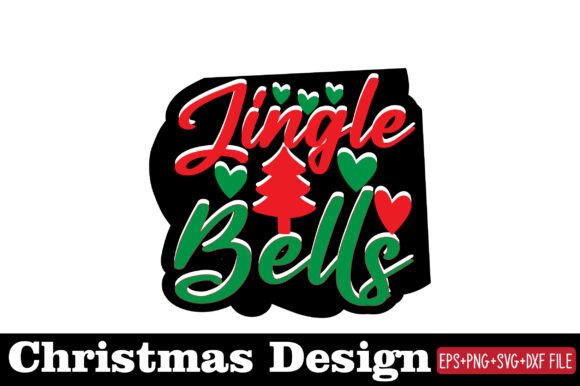
The first thing that strikes you about Christmas Sticker, Gingle Bells is its playful, nostalgic energy. The title itself hints at a whimsical take on traditional holiday imagery, likely featuring bell motifs with a sticker-art aesthetic. In the world of machine embroidery design, "sticker style" usually implies bold outlines, vibrant color blocking, and a certain flatness that mimics vinyl decals. This is crucial because it tells me immediately how the design will behave under the needle.
The layout appears balanced, avoiding the chaotic clutter that plagues so many seasonal designs. For an embroidery project, clarity is king. If the visual personality is too busy, the stitches merge into a muddy mess. Here, the separation between elements suggests that the digitizer understood the importance of negative space. This design naturally belongs on items that benefit from a pop of cheerful, modern holiday spirit rather than stiff, traditional formalwear. It feels approachable, making it ideal for personalized gift items where the recipient expects warmth and fun.
Real-World Application: From Screen to Sweatshirt
To truly test Christmas Sticker, Gingle Bells, I imagined a specific client scenario: a local boutique owner wanting a line of limited-edition sweatshirt embroidery for December sales. She needed something that looked professional but didn’t take four hours to stitch per unit. This is where the practical value of the design shines.
When applied to a medium-weight cotton fleece, the bold lines of the bells would likely utilize a combination of satin stitch for the outlines and fill stitch for the colored bodies. The contrast between the thread colors and the fabric becomes the primary driver of visual appeal. I visualized this in classic red and green threads on a heather gray sweatshirt. The result? High visibility and strong brand consistency. The design doesn’t get lost in the texture of the fleece.
Beyond apparel, I considered its use on a canvas tote bag design. Canvas is dense and unforgiving. A weak design will look sparse or distorted. However, the structural integrity of Christmas Sticker, Gingle Bells suggests it has enough density to hold its shape on heavier fabrics. For an Etsy seller, this versatility is gold. You can offer the same embroidery file application on hats, bags, and shirts, maximizing your return on investment for the digital purchase.
Navigating Technical Challenges and Fabric Textures
While the design is robust, it is not without its constraints. As an experienced reviewer, I must point out where caution is needed. The "sticker" aesthetic often relies on sharp corners and clean edges. On stretchy fabrics like jersey knits used for baby embroidery onesies, these sharp points can pucker if not properly stabilized. I would strongly advise using a cut-away stabilizer rather than tear-away for any garment that will be washed frequently.
Furthermore, consider the hoop size. If this design includes intricate details or small text elements alongside the bells, shrinking it down for a left-chest logo on a polo shirt might cause those details to collapse. Always check the minimum recommended size. If the original graphic is complex, scaling it down below two inches could result in thread breaks and poor stitch density management. For curved surfaces like caps, the design’s height matters. A tall bell motif might distort over the seam of a baseball cap. In such cases, resizing or re-digitizing for a curved plane might be necessary, though the base digital embroidery file provides a solid starting point.
Dark fabrics present another challenge. If the design uses light thread colors on black fabric, the underlying fabric can peek through if the fill stitches are not dense enough. I recommend running a test on scrap fabric first. Check the thread colors against your intended background. Sometimes, adding a white underlay or choosing a slightly thicker thread weight can solve visibility issues without altering the design file itself.
Commercial Viability and Brand Trust
For those running a craft business, the perceived value of the finished product is paramount. Christmas Sticker, Gingle Bells offers a polished look that enhances customer trust. Sloppy embroidery screams "amateur," but clean, well-defined shapes signal quality. This design, when executed correctly, elevates a simple towel or apron into a boutique-worthy item.
In terms of commercial embroidery, speed is also a factor. While I cannot confirm the exact stitch count without seeing the specific file metadata, the visual simplicity suggests it is not overly dense. This means faster production times, which directly impacts your profit margin. For small shop product lines where volume matters during the holiday rush, a design that stitches cleanly and quickly is invaluable.
Moreover, the versatility extends to marketing. You can use this design to create compelling printable mockup images for your online store. Because the shapes are distinct, they render well in digital previews, helping customers visualize the handmade product before they buy. This reduces hesitation and increases conversion rates.
Practical Designer Notes for Best Results
Before you load Christmas Sticker, Gingle Bells into your machine for a client order, here is my checklist for success:
- Test on Scrap: Never skip this. Stitch the design on the exact fabric type you plan to use. Check for puckering, thread breaks, or registration errors.
- Check Licensing: Ensure you understand the usage rights. Can you sell finished physical items? Can you resell the embroidery file itself? Most designers allow finished goods sales but prohibit file redistribution. Confirm this before listing on Etsy.
- Contrast is Key: Review the design in black and white. If the elements blend together without color, the design lacks sufficient contrast and may need adjustment or different thread choices.
- Stabilizer Selection: Match your stabilizer to your fabric. Use cut-away for knits and stretchy materials to prevent distortion after washing.
- Needle and Thread: Use a fresh needle appropriate for the fabric weight. Old needles cause skipped stitches, which ruin the clean lines of a sticker-style design.
In conclusion, Christmas Sticker, Gingle Bells is a strong contender for your holiday repertoire. It balances festive charm with technical practicality. Whether you are creating custom apparel, embroidered patch collections, or home decor, this design offers the clarity and character needed to stand out in a crowded market. Just remember: the best design is only as good as its execution. Treat it with the respect it deserves, test thoroughly, and it will serve your embroidery project needs well.