Reviewing Created with a Purpose - Christian SVG
As an embroidery designer who has spent years digitizing patterns and testing files for real-world application, I approach every new machine embroidery design with a critical eye. It is not enough for a graphic to look pretty on a screen; it must translate flawlessly into thread, withstand the tension of the hoop, and appeal to the end customer. Recently, I evaluated Created with a Purpose - Christian SVG to determine its viability for commercial and personal projects. This review breaks down how this digital asset performs when moved from the realm of Graphics into the tactile world of stitched Crafts.
First Impressions and Visual Personality
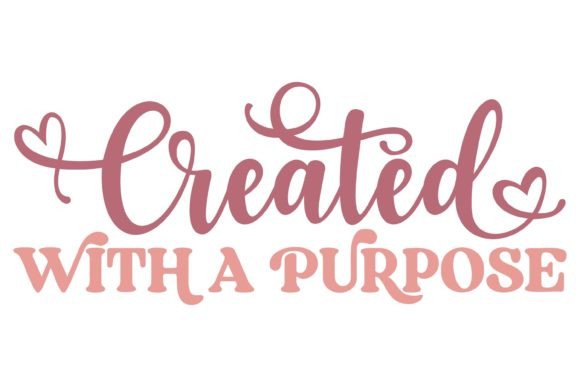
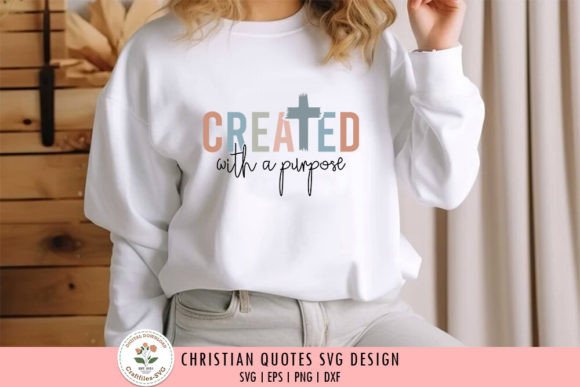
The first thing that strikes you about Created with a Purpose - Christian SVG is its clarity of message. In the crowded market of faith-based designs, simplicity often wins. This design avoids unnecessary clutter, focusing on a strong typographic or symbolic statement that resonates with modern believers. The mood is uplifting yet grounded, making it versatile for various demographics, from youth groups to mature church communities.
From a layout perspective, the balance seems well-considered. When I opened the files, I looked immediately at the line weights and spacing. For embroidery, negative space is just as important as the stitch itself. If elements are too close, the fabric puckers; if they are too far apart, the design lacks cohesion. This particular file appears to have been structured with stitching in mind, offering clean lines that should translate well into both satin and fill stitches depending on how you choose to digitize or utilize the provided formats.
Real-World Application: The Tote Bag Test
To truly understand the value of an embroidery file, you must visualize it on a product. I imagined using Created with a Purpose - Christian SVG for a custom canvas tote bag project. Tote bags are a staple for Etsy sellers and church bookstores alike. They require designs that are bold enough to be read from a distance but detailed enough to show craftsmanship.
In this scenario, the design’s structure holds up well. On a sturdy cotton canvas, the text and graphical elements would benefit from a medium-density fill stitch to ensure coverage without creating excessive bulk. The result is a professional-looking handmade product that feels substantial. Customers appreciate when a personalized gift looks like it was made with intention, and this design supports that perception. It does not look like a cheap iron-on transfer; it looks like intentional textile art.
Versatility Across Product Lines
Beyond totes, this design shows promise in several other areas of commercial embroidery:
- Sweatshirt Embroidery: Placed on the left chest or centered on the back, the design works beautifully on fleece. The texture of the fabric complements the thread, adding depth to the visual appeal.
- Baby Embroidery: For nursery decor or baby onesies, the gentle messaging fits perfectly. However, scale is crucial here. You must resize the file appropriately to fit smaller hoops without losing legibility.
- Embroidered Patch Creation: This is an excellent candidate for patch making. The clear boundaries of the design allow for clean merrowed edges, making it a durable accessory for jackets or bags.
- Holiday Embroidery: During Easter or Christmas, faith-based items see a spike in sales. This design serves as a year-round staple that can be marketed during specific religious seasons as well.
Technical Considerations for Stitching
While the aesthetic is strong, the technical execution requires attention. The product description notes that you receive SVG, EPS, DXF, and PNG files. It is vital to understand that these are primarily vector and raster graphics, not necessarily native machine embroidery formats like PES or DST. As a designer, this means you will likely need to use embroidery software to convert these vectors into stitch data, or use them as applique templates.
If you are using this as an applique design, the process is straightforward. You would stitch the placement line, place your fabric, tack it down, and then stitch the outline. This method reduces stitch density on the garment, which is ideal for stretchy fabrics or thin materials where heavy stitching might cause distortion. If you plan to digitize it fully into satin or fill stitches, pay close attention to the underlay. Proper underlay stabilizes the fabric and ensures the top threads sit smoothly.
Fabric and Hoop Constraints
Not every surface is suitable for every design. Here is where practical judgment comes into play:
- Dark Fabric: If stitching on black or navy, ensure your thread colors have high contrast. A light gray thread on black fabric may vanish. Test your thread colors beforehand.
- Textured Fabrics: On towels or rough linens, finer details might get lost. This design’s bold nature helps, but always test on scrap fabric first.
- Curved Surfaces: For caps or hats, the design must be small enough to fit the curved hoop without distortion. Large, wide designs often warp on caps.
- Stabilizer Selection: Always use the correct stabilizer. For knits, use cut-away; for wovens, tear-away is usually sufficient. This prevents the finished product from looking amateurish.
Business Value and Brand Consistency
For small shop products and craft business owners, consistency is key. Using a high-quality base file like Created with a Purpose - Christian SVG allows you to maintain a professional standard across your inventory. Whether you are creating custom apparel for a local ministry or selling design assets online, the quality of your source file dictates the quality of your output.
This design enhances buyer engagement because it speaks directly to a specific audience’s values. When a customer sees a well-executed faith-based item, it builds trust. They perceive the seller as someone who understands their community. Furthermore, having editable files means you can tweak colors to match seasonal trends or specific brand palettes, adding value to your printable mockup presentations and final listings.
Final Designer Notes
Before launching any project with Created with a Purpose - Christian SVG, take these practical steps:
- Check Licensing: Confirm whether the license allows for commercial use of finished physical items. Most designers allow this, but digital resale of the file itself is typically prohibited.
- Test Stitch Out: Never run a new design on your final garment. Use similar scrap fabric to check for thread breaks, nesting, or registration issues.
- Inspect Small Details: Zoom in on the vector file. Are there any stray nodes or overlapping paths? Clean up the file in your software before digitizing to ensure smooth stitching.
- Mockup Testing: Create black and white mockups to ensure the design reads well even without color. This is crucial for accessibility and printing previews.
In conclusion, Created with a Purpose - Christian SVG is a solid addition to your library of digital embroidery file resources. It offers the flexibility needed for diverse applications, from tote bag design to sweatshirt embroidery. By respecting the technical limitations of embroidery and leveraging the design’s strong visual identity, you can create products that are not only beautiful but also meaningful and commercially viable. Remember, the best designs are those that disappear into the quality of the craft, leaving only the message and the beauty of the stitch behind.