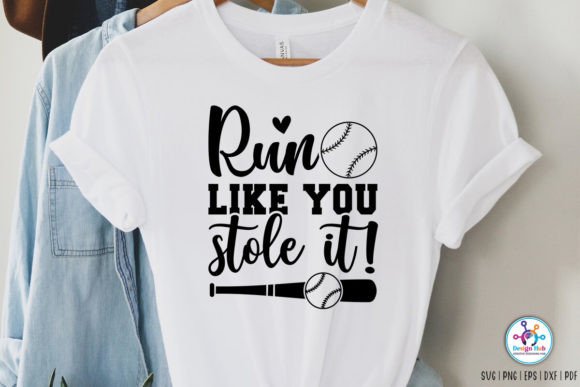
Reviewing Run Like You Stole It SVG for Embroidery
As a designer who spends more time staring at stitch simulations than I care to admit, I have learned that not every cute phrase translates well into thread. We see thousands of digital files flood the market daily, but only a handful truly earn their place in a professional embroidery project. Recently, I pulled up the Run Like You Stole It SVG to evaluate its potential for a client’s custom apparel line. What started as a quick file inspection turned into a deeper look at how this specific graphic holds up under the needle.
The first impression of this design is energetic and playful. The typography suggests movement, which aligns perfectly with the humorous, high-energy message. For those of us in the Crafts industry, finding a balance between legibility and stylistic flair is constant work. This piece leans into a bold, casual aesthetic that feels right at home on modern streetwear or active lifestyle gear. It does not try to be overly ornate, which is often a blessing when dealing with the physical limitations of embroidery machines.
Real-World Application: The Custom Tote Test
To truly understand the value of a digital embroidery file, you have to imagine it on fabric. I visualized this design on a heavy canvas tote bag, a popular item for small shop products and eco-conscious buyers. The phrase "Run Like You Stole It" implies urgency and fun, making it an ideal candidate for gym bags, library totes, or everyday carryalls.
In this scenario, the design’s layout works in its favor. The horizontal spread allows it to sit comfortably across the center of a bag without requiring excessive vertical hoop space. When I considered how the thread colors would interact with natural cotton canvas, I realized the design’s simplicity allows for versatility. A stark white satin stitch against a navy bag would pop, while a tonal grey on a heathered grey bag would offer a subtle, boutique feel. This adaptability is crucial for any Etsy seller looking to minimize inventory waste by using one design across multiple colorways.
Stitching Clarity and Fabric Considerations
One of the primary concerns when converting any Graphics asset into a machine embroidery design is how the details hold up. Thick, bold lines generally translate better than hairline fractures. From my review of the vector paths in the Run Like You Stole It SVG, the shapes appear robust enough to handle standard satin stitch or fill stitch techniques without collapsing.
However, context matters. If you are planning to use this on a stretchy performance fabric for a running shirt, you must be mindful of stitch density. Too dense, and the fabric will pucker; too light, and the underlying material might show through, ruining the crispness of the letters. I recommend using a cut-away stabilizer for knit fabrics to ensure the design remains stable during wear and washing. For woven materials like denim or canvas, a tear-away stabilizer might suffice, but always test on scrap fabric first.
Curved surfaces present another challenge. If you intend to place this on a cap, the curvature of the crown can distort wide designs. You may need to adjust the width or break the design into smaller segments if the original file is too wide for your standard cap frame. Always check your hoop size capabilities before committing to a purchase or production run.
Commercial Viability for Small Businesses
For craft business owners and commercial embroidery professionals, time is money. A design that requires excessive trimming or frequent re-hooping is a profit killer. The clean lines of this SVG suggest it would digitize cleanly, resulting in fewer thread breaks and faster production times. This efficiency directly impacts your bottom line.
Moreover, the humor in the phrase adds emotional value. Customers are not just buying a shirt; they are buying a personality trait. This kind of personalized gift or statement piece tends to perform well during holiday seasons or as unique birthday presents. It fits seamlessly into categories like holiday embroidery gifts for active friends or custom apparel for running clubs. The relatability of the message drives engagement, making it easier to market on social media platforms where visual appeal is paramount.
Navigating Technical Constraints
While the design is strong, it is not without its limitations. Tiny serifs or intricate corners can become muddy if the digitizing is not precise. Since the product description mentions availability in SVG, PNG, EPS, PDF, and DXF formats, you have flexibility. However, remember that these are vector or image files, not necessarily finished embroidery files (like PES or DST). You will likely need to digitize them yourself or hire a digitizer.
If you are digitizing this yourself, pay close attention to the underlay stitches. Proper underlay ensures that the top stitches sit flat and secure. For the thicker parts of the letters, consider using a tatami fill rather than a heavy satin stitch to reduce bulk. Bulkiness can be uncomfortable on wearable items like sweatshirt embroidery or baby embroidery projects, where softness is a priority.
Also, consider the contrast. On dark fabrics, you might need a lighter underlay or a backing patch if the fabric texture is rough. An applique design approach could also work here, using felt or fabric scraps to create the letters, which reduces stitch count and adds a textured, handmade look. This technique is particularly effective for embroidered patch creations or rugged outdoor gear.
Final Verdict and Designer Notes
The Run Like You Stole It SVG is a versatile asset for designers who understand the mechanics of embroidery. It is not just a pretty picture; it is a functional component of a larger product strategy. Whether you are creating tote bag design prototypes, printable mockup previews for your online store, or actual stitched goods, this design offers a solid foundation.
Before you launch your next collection, keep these practical steps in mind:
- Test on Scrap Fabric: Never skip this step. Check how the stitches interact with your specific material.
- Check Thread Contrast: Ensure your thread colors stand out against the fabric background for maximum readability.
- Review Stitch Density: Adjust density based on fabric weight to prevent puckering or stiffness.
- Confirm Hoop Size: Make sure the design fits within your machine’s maximum embroidery area.
- Inspect Small Details: Zoom in on the vector file to ensure there are no stray nodes or broken paths.
- Verify Licensing: Always confirm whether the license allows for commercial use if you plan to sell finished items.
In the world of design assets, quality is defined by usability. This SVG passes the test for being clear, adaptable, and commercially viable. It respects the constraints of the medium while delivering a punchy visual message. For the small shop product lineup or the handmade product enthusiast, it is a reliable choice that balances fun with function. Just remember that the file is only the starting point; your skill in digitizing and stitching brings it to life.