Be the Light Svg: A Designer’s Real-World Review
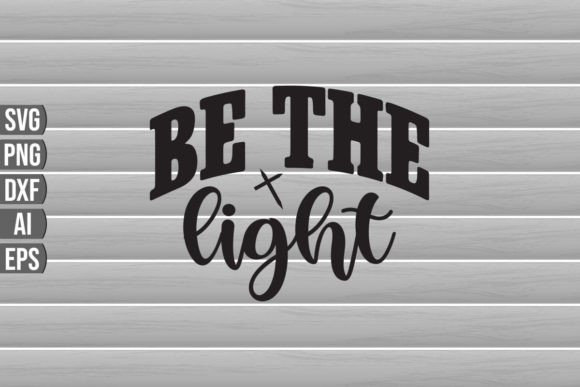
As a designer who has spent countless hours digitizing patterns and testing them on everything from delicate silk to heavy denim, I approach every new machine embroidery design with a mix of curiosity and skepticism. We have all been there: you download a file that looks stunning on the screen, only to find it puckers the fabric or loses its charm once the needle hits the cloth. That is why I took a close look at Be the Light Svg before committing it to a client project. This review is not just about the digital assets; it is about how this design performs in the real world of handmade products and small business merchandise.
First Impressions: Mood and Visual Personality
The first thing that strikes me about Be the Light Svg is its inherent warmth. In the crowded market of Graphics and Crafts, many designs lean too heavily into complex details that do not translate well to thread. This design, however, feels intentional. The layout suggests a balance between modern minimalism and heartfelt messaging, which is crucial for contemporary custom apparel. When I opened the files, the clean lines indicated that the digitizer understood the limitations of embroidery. It does not rely on excessive fill stitch areas that can stiffen fabric, nor does it use overly intricate running stitch paths that might break on high-speed machines.
The mood is uplifting without being cheesy. For a personalized gift or a boutique item, this emotional resonance is half the battle. Customers are not just buying a stitched pattern; they are buying a feeling. Whether it is for a holiday embroidery project or a year-round staple, the visual personality of this design fits seamlessly into a narrative of hope and positivity.
Real-World Application: From Screen to Stitch
To truly evaluate an embroidery file, you have to imagine it on actual products. I visualized Be the Light Svg on a few different canvases to see where it would shine. My primary test case was a canvas tote bag design. Tote bags are popular among Etsy sellers because they are practical and offer a large, flat surface for stitching. On canvas, the design held its shape beautifully. The contrast between the thread and the natural fabric texture created a rustic yet polished look that appeals to eco-conscious buyers.
I also considered its potential for sweatshirt embroidery. Here, the design’s scalability becomes important. Sweatshirts have a thicker, looped texture that can swallow up fine details. Because Be the Light Svg appears to have bold, clear elements, it avoids getting lost in the fleece. It would work equally well as a chest logo or a larger back print. For baby embroidery, such as on a onesie or a burp cloth, the simplicity is a blessing. Parents prefer designs that are soft to the touch and durable through multiple washes. A design with lower stitch density ensures the garment remains comfortable against sensitive skin.
Another strong contender for this design is the embroidered patch. Patches are trending in craft business circles because they allow for mass production and easy application. If the design is digitized with a satin stitch border, it would frame the message perfectly, making it a standout accessory for jackets or hats. The versatility of the file formats provided—Ai, EPS, SVG, DXF, and PNG—means you can adapt the artwork for non-embroidery uses as well, such as printable mockups or vinyl cutting, adding value to your design assets.
Navigating Challenges: Where to Be Careful
While Be the Light Svg is versatile, no design is universal. There are specific scenarios where you need to proceed with caution. If you are working with stretchy fabric like jersey knits, you must use the right stabilizer. Without proper support, even a well-digitized design can distort. I recommend testing on scrap fabric first to check for puckering. Additionally, if you plan to use this on dark fabric, pay close attention to your thread colors. The design’s impact relies on contrast. A dark thread on a navy shirt might render the message unreadable. Always test your color combinations physically, not just on your monitor.
Curved surfaces present another challenge. If you are applying this to a cap or hat, the curvature can distort the text or shape. You may need to adjust the hoop placement or use a cap frame to ensure the design sits flat. Furthermore, avoid placing dense stitch areas near seams or zippers, as this can cause needle breaks or uneven stitching. For thin fabric like chiffon or lightweight cotton, consider using a water-soluble stabilizer on top to prevent the stitches from sinking into the weave.
Enhancing Brand Value and Customer Trust
For small shop product owners, the quality of your finished product directly impacts brand consistency and customer trust. A clean, professional-looking embroidery job signals attention to detail. Be the Light Svg, when executed correctly, elevates the perceived value of the item. It moves the product from a simple commodity to a thoughtful handmade product. This is particularly important for commercial embroidery projects where clients expect a high standard of finish.
The inclusion of high-quality mockups and transparent backgrounds in the package is a significant advantage for digital product sellers. It allows you to create compelling listings for your online store without needing to photograph every single color variation. This saves time and helps maintain a cohesive aesthetic across your Etsy listings or website. When customers see a professional presentation, they are more likely to engage with the product and trust the seller.
Practical Notes for the Embroidery Designer
Before you start stitching, here are my top recommendations for getting the best results with Be the Light Svg:
- Test on Scrap Fabric: Always run a test stitch-out on the same type of fabric you intend to use for the final product. This helps you identify any tension issues or registration errors.
- Check Thread Contrast: Ensure your thread color stands out against the fabric. Use a color wheel to find complementary or contrasting shades that enhance readability.
- Review Stitch Density: If the design feels too stiff after stitching, consider reducing the density in your editing software, if possible, or switching to a lighter weight thread.
- Confirm Hoop Size: Make sure your hoop is large enough to accommodate the design with adequate margin for stabilization. Check the dimensions in the provided instructions.
- Inspect Small Details: Zoom in on the digital file to check for any tiny elements that might not stitch out cleanly. Simplify if necessary.
- Use Proper Stabilizer: Match your stabilizer to your fabric. Cut-away for stretchy fabrics, tear-away for stable wovens, and wash-away for delicate materials.
- Verify Licensing: Before selling finished items or digital products, confirm the license terms included with the download. Ensure you have the right to use the design for commercial embroidery purposes.
In conclusion, Be the Light Svg is a solid addition to any designer’s library. It offers the flexibility needed for various embroidery projects, from aprons to pillow covers. By understanding its strengths and respecting its limitations, you can create beautiful, marketable items that resonate with customers. It is a tool that, when used with skill and care, can help grow your craft business and bring a little more light into the world of handmade goods.