Reviewing the Funny Carpenter Hourly Rate SVG for Embroidery
As a designer who has spent countless hours digitizing and testing files for real-world application, I approach every new digital embroidery file with a mix of curiosity and skepticism. We have all seen designs that look fantastic on a screen but turn into a tangled mess under the needle. Today, I am taking a close look at the Funny Carpenter Hourly Rate Svg Cut File. While this asset is marketed primarily as an SVG for cutting machines and print-on-demand items like t-shirts and mugs, its potential in the realm of machine embroidery deserves a thorough evaluation for crafters and small business owners.
First Impressions: Mood and Visual Personality
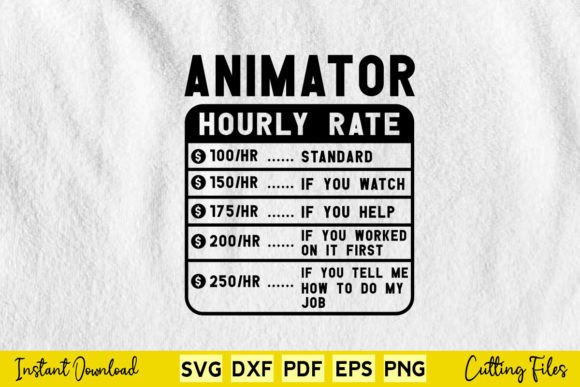
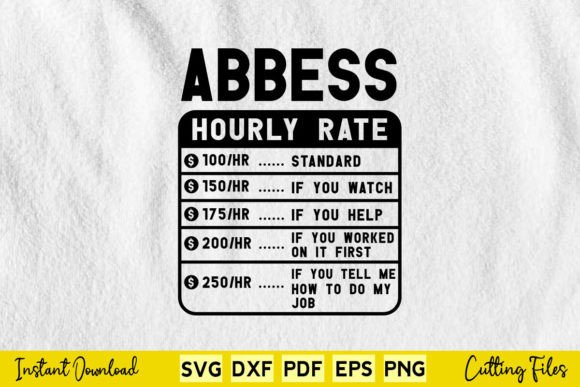
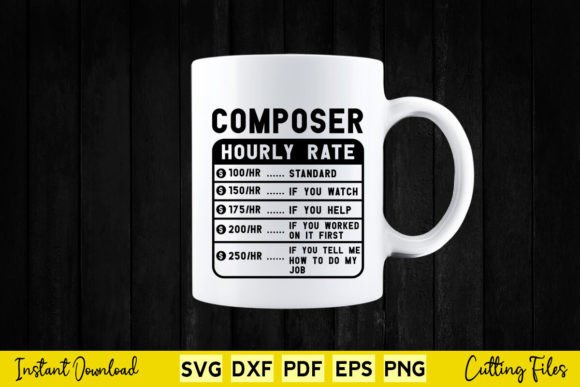
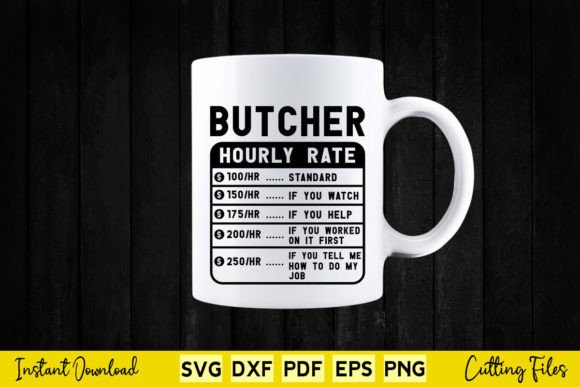
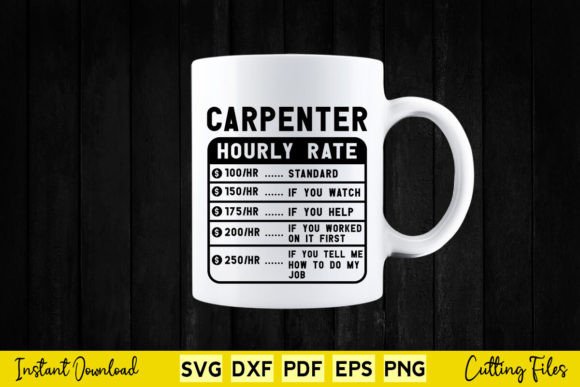
The immediate appeal of the Funny Carpenter Hourly Rate Svg Cut File lies in its humor and relatability. It taps into a specific niche—carpenters, woodworkers, and DIY enthusiasts—who appreciate a good laugh about their trade. The layout is typically bold and straightforward, which is a significant advantage when translating a graphic into stitches. In the world of Crafts and Graphics, simplicity often translates to durability. A design that relies on intricate, hairline details may look impressive digitally, but it rarely survives the wash cycle. This design’s robust visual personality suggests it is built for impact rather than subtlety, making it an excellent candidate for statement pieces.
When I visualize this design stitched out, I see it working best with high-contrast thread colors. The mood is playful yet professional enough to be worn by a tradesperson who takes pride in their work but doesn’t take themselves too seriously. This balance is crucial for creating a handmade product that feels authentic rather than generic.
Real-World Application: From Screen to Stitch
Let’s consider a realistic scenario. Imagine you are preparing a custom order for a client who wants a personalized gift for their father, a master carpenter retiring after forty years on the job. You decide to use the Funny Carpenter Hourly Rate Svg Cut File as the basis for a sweatshirt embroidery project. Because the design is likely composed of clear shapes and legible text, it lends itself well to a combination of fill stitch for the larger graphical elements and satin stitch for the borders or text outlines.
For a project like this, the design would sit prominently on the left chest or centered on the back of a heavyweight hoodie. The humor in the "hourly rate" concept adds value to the personalized gift, transforming a standard garment into a conversation starter. If you are an Etsy seller or run a small shop product line, this type of niche-specific humor drives engagement. Customers are not just buying a shirt; they are buying an identity marker that resonates with their profession.
Beyond apparel, this design could easily adapt to a tote bag design for a hardware store promotion or a local craft fair. The bold lines ensure visibility from a distance, which is essential for marketing design assets in a crowded marketplace. However, because this is originally an SVG cut file, you must ensure your digitizing software converts the paths into efficient stitch types. Direct auto-digitizing from SVG can sometimes result in excessive stitch density or poor underlay, so manual adjustment is often necessary to maintain quality.
Navigating Technical Challenges and Fabric Choices
While the design is strong, there are areas where caution is required. If you plan to use this on a cap or hat, the curved surface presents a challenge. Text-heavy designs can distort if the hoop tension is not perfectly balanced. I recommend using a sturdy stabilizer, such as a medium-weight cutaway, to prevent puckering, especially if the fabric is thin or stretchy. For a custom apparel piece made from jersey knit, a tear-away stabilizer might suffice, but for frequent-wear items like work shirts, a cutaway provides long-term structural integrity.
Another consideration is the size of the text. If the "hourly rate" details include small numbers or fine print, these may become illegible when stitched at smaller hoop sizes. I advise testing the design on scrap fabric first. Check whether the smallest elements hold their shape or if they merge into a blob of thread. If the original SVG has very tight kerning, you may need to adjust the spacing in your digitizing software to ensure each letter is distinct. This step is vital for maintaining the professionalism of your finished product.
Dark fabrics require special attention to thread selection. Since the design is likely intended to be humorous and clear, using light-colored threads on dark navy or black workwear creates the necessary contrast. However, avoid using pure white on black if possible, as it can look harsh; an off-white or light gray often provides a more sophisticated look while maintaining readability. Always test your thread colors against the specific fabric texture you are using, as textured materials like twill or canvas can swallow finer stitches.
Enhancing Brand Consistency and Customer Trust
For commercial embroidery professionals, consistency is key. Using a reliable design like the Funny Carpenter Hourly Rate Svg Cut File helps build brand recognition. When customers see a clean, well-stitched design, their trust in your craftsmanship increases. This is particularly important for craft business owners who rely on repeat clients and word-of-mouth referrals. A sloppy stitch-out can damage your reputation, whereas a crisp, clean execution reinforces your status as a skilled artisan.
Moreover, this design fits seamlessly into seasonal marketing strategies. It makes for excellent holiday embroidery gifts for Father’s Day or Christmas. By offering this design on various items—such as embroidered patch applications for tool bags or aprons—you expand your product range without needing to create entirely new artwork. This efficiency allows you to focus on production quality rather than constant design creation.
Practical Designer Notes for Best Results
Before you commit to a full production run, keep these practical tips in mind:
- Test on Scrap Fabric: Always stitch a sample on the same material you intend to use for the final product. This reveals issues with tension, density, and registration.
- Check Licensing: Since this is a digital product, confirm the license terms. Ensure you have the right to use the design for commercial purposes if you plan to sell the finished items. Do not assume that purchasing the file grants unlimited commercial rights.
- Digitize with Care: If you are converting the SVG yourself, pay attention to stitch direction. Aligning stitches with the grain of the fabric or the shape of the letters can significantly improve the final appearance.
- Mockup Verification: Use printable mockups to visualize how the design looks on different garments. This helps in marketing your design assets effectively online.
- Inspect Small Details: Zoom in on your digitized file. Look for unnecessary jump stitches or overly dense areas that could cause thread breaks.
In conclusion, the Funny Carpenter Hourly Rate Svg Cut File is a versatile asset for the modern maker. While it originates as a graphic for cutting and printing, its bold structure makes it a strong contender for machine embroidery when handled with technical precision. By understanding the interplay between stitch types, fabric choices, and design intent, you can transform this simple graphic into a high-value embroidery project that delights customers and strengthens your brand. Whether you are creating a baby embroidery item for a little builder in the family or a rugged work shirt for a professional, the key lies in thoughtful execution and attention to detail.